
Will Your IT Insurance Keep Your Business “Safe”?
Cyberattacks are no longer a distant threat, they’re an everyday reality for businesses of all sizes. And while many SMBs turn to cyber insurance for protection, the harsh reality is that not all policies cover what you think they do.
Too often, businesses only discover critical gaps in their coverage after a cyber incident, when it’s already too late. A denied claim can mean crippling financial losses, legal trouble, and irreversible reputational damage. So, how can you make sure your cyber insurance actually protects your business?
The Risk: What many businesses fail to realise:
Most business leaders assume cyber insurance works like any other insurance. You experience a loss, file a claim, and get reimbursed. But cyber insurance policies aren’t that simple.
Here’s what many businesses fail to realise:
1. Your Policy Might Not Cover Key Threats
Ransomware, phishing, data breaches. These are among the most common cyber threats, but not all policies automatically cover them. Some businesses only find out after an attack that their policy excludes ransom payments, third-party liabilities, or regulatory fines.
Reality check: Always review the fine print and verify what’s included, and more importantly, what’s excluded.
2. Insurers Have Strict Cybersecurity Requirements
Think your business is covered? Not so fast. Many policies have hidden compliance requirements, and if you’re not meeting them, your claim could be denied. Some insurers require:
- Multi-Factor Authentication (MFA) for email and remote access
- Endpoint protection & anti-malware software
- Regular security updates & patching
- Employee cybersecurity training
Reality check: Cyber insurance is not a substitute for cybersecurity. It works with your security strategy, not as a replacement.
3. The Fine Print Can Cost You Millions
Cyber insurance policies often contain loopholes that leave businesses exposed. Common exclusions include:
- Attacks caused by human error (e.g., an employee clicking on a phishing link)
- Acts of war or terrorism, including state-sponsored cyberattacks
- Incidents resulting from failure to maintain cybersecurity standards
Reality check: Assumptions can be costly. If you don’t fully understand your policy, your business could be left footing the bill.
How to Ensure Your Business is Fully Protected
To make cyber insurance work for you, it’s critical to take a proactive approach. Here’s what you can do:
1. Review Your Cyber Insurance Policy
Work with an expert to identify gaps, exclusions, and coverage limits to ensure you’re protected from real-world cyber threats.
2. Implement Strong Cybersecurity Measures
Cyber insurance providers expect businesses to meet baseline cybersecurity requirements like MFA, encryption, and data backup solutions. Ensuring compliance with these measures strengthens your security posture and prevents claim denials.
3. Understand Your Business Risks
Different industries have different cyber risks. If your business handles sensitive customer data, financial transactions, or proprietary intellectual property, your exposure is higher, and your policy should reflect that.
4. Align Cybersecurity With Insurance
Cyber insurance should complement your cybersecurity strategy, not replace it. Ensure your incident response plan, employee training, and vendor cybersecurity standards align with what your policy requires.
5. Work with a Cyber Insurance Expert
Cyber insurance policies are complex. Consulting with a specialist ensures your business is fully covered and avoids costly surprises when it matters most.
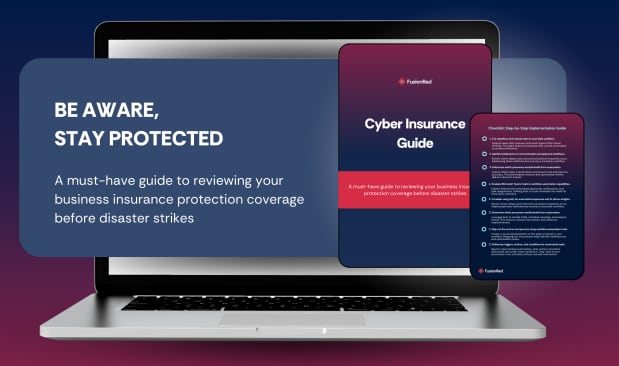
Make it Easier With Our FREE Checklist
Inside the Cyber Insurance Pitfall Prevention Checklist, you’ll discover:
- Identify coverage gaps before an attack happens.
- Ensure compliance with insurer cybersecurity requirements.
- Take proactive steps to secure your business.
Final Thoughts
Cyber insurance is a critical piece of business protection, but only if you know exactly what’s covered and how to use it effectively. A denied claim could mean financial disaster, don’t wait until after an attack to find out your policy isn’t enough.
Contact FusionRed for a free consultation on optimising your cyber insurance and cybersecurity strategy.